Skin
Do not start a new retinoid, peel, or brow dye in the week of the wedding. Moisturize with the cream you already tolerate. If you are breaking out, say so. Covering a fresh burn is harder than adjusting a shade.
Weddings
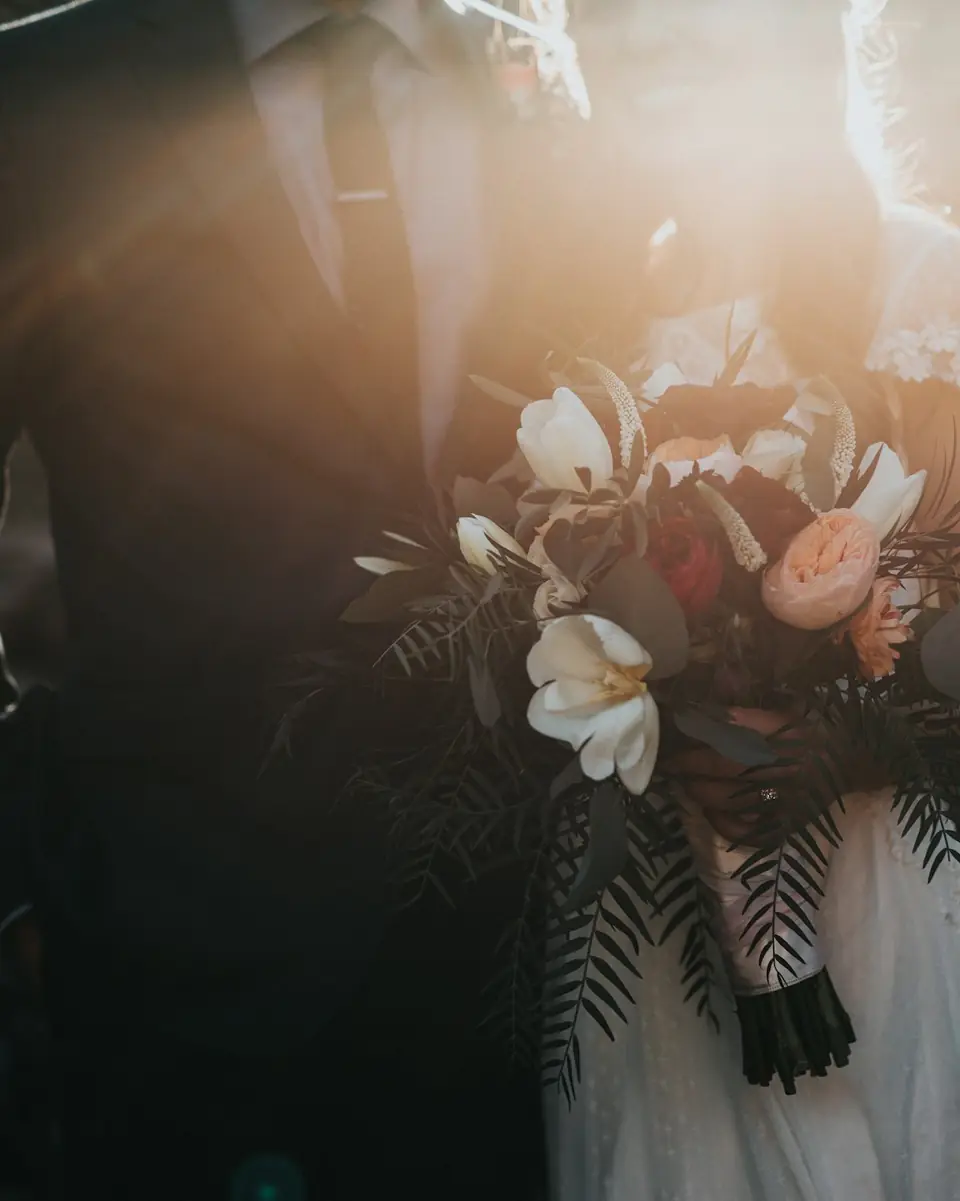
Bridal makeup is the face you want to recognize in the ceremony and still recognize in the photographs a year later. The style can be quiet, romantic, or fully polished. The planning is what makes it repeatable.
A wedding day is longer than a dinner. Makeup is applied early, looked at in harsh bathroom light, photographed in whatever the sky is doing, and then expected to last through hugs, a meal, and dancing. Wedding makeup that only works in a ring light is a disappointment by the cake.
Bridal makeup is that plan, focused on the bride. It can also include a bridal party, parents, and sometimes wedding guests who want a simpler version of the same morning. Those are related appointments, not the same one. A bride’s makeup usually takes longer because it is the face the day is built around, and because it is often tested once before.
People look for a bridal makeup artist or wedding makeup services when they want that plan handled by someone else. Solenne Atelier does that work for West Des Moines and the Des Moines area. Send the wedding date, the venue, and who else needs makeup.
Finish
The words overlap online. On a face, they do not. Use the descriptions below to pick a direction, then point to a photograph you like. If you want the broader lesson on finish, read natural makeup and soft glam and full glam beside this page.
Natural bridal makeup keeps your skin texture visible and your eye makeup close to the color of your lid. Brows are filled only where there are gaps. The lip is usually a balm, a stain, or a shade close to your mouth. It suits morning ceremonies, outdoor portraits, and anyone who has said, more than once, that they do not want to look “made up.” Simple wedding makeup and minimal bridal makeup live here. The risk is going so sheer that you disappear in a back-row photograph. A little more cheek and lash usually fixes that without turning the look into glam.
Soft glam wedding makeup is the most requested middle. The skin looks even, not masked. The eye has a soft shape, often a warm brown or taupe, with a defined lash and a highlight that is not glitter. The lip can be nude, rose, or a muted red. It photographs clearly and still looks like you across a dinner table. Natural glam wedding makeup is this family, not a different service. If your references are mixed, this is usually the honest compromise.
Full glam bridal makeup commits: a stronger smokey eye, a sharper liner, more contour, or a deliberate lip. It makes sense for an evening ceremony, a ballroom, or a dress that is already formal. It is a poor match for a beach noon wedding unless you specifically want the contrast. Dramatic wedding makeup and heavy glam belong in this conversation, with a trial, because “dramatic” in a saved photo is often harsher than people want on their own face.
Romantic wedding makeup usually means a softer edge: diffused liner, a flush on the cheek, and a lip that is not a flat block of color. Classic bridal makeup is the polished version of that, closer to a timeless portrait than to a trend. Ethereal or “clean” references tend to fail when they are copied from a filter. Describe the light and the dress instead. A red lip is a classic choice when the eye stays quiet. It is not a requirement, and it is not more bridal than a rose stain.
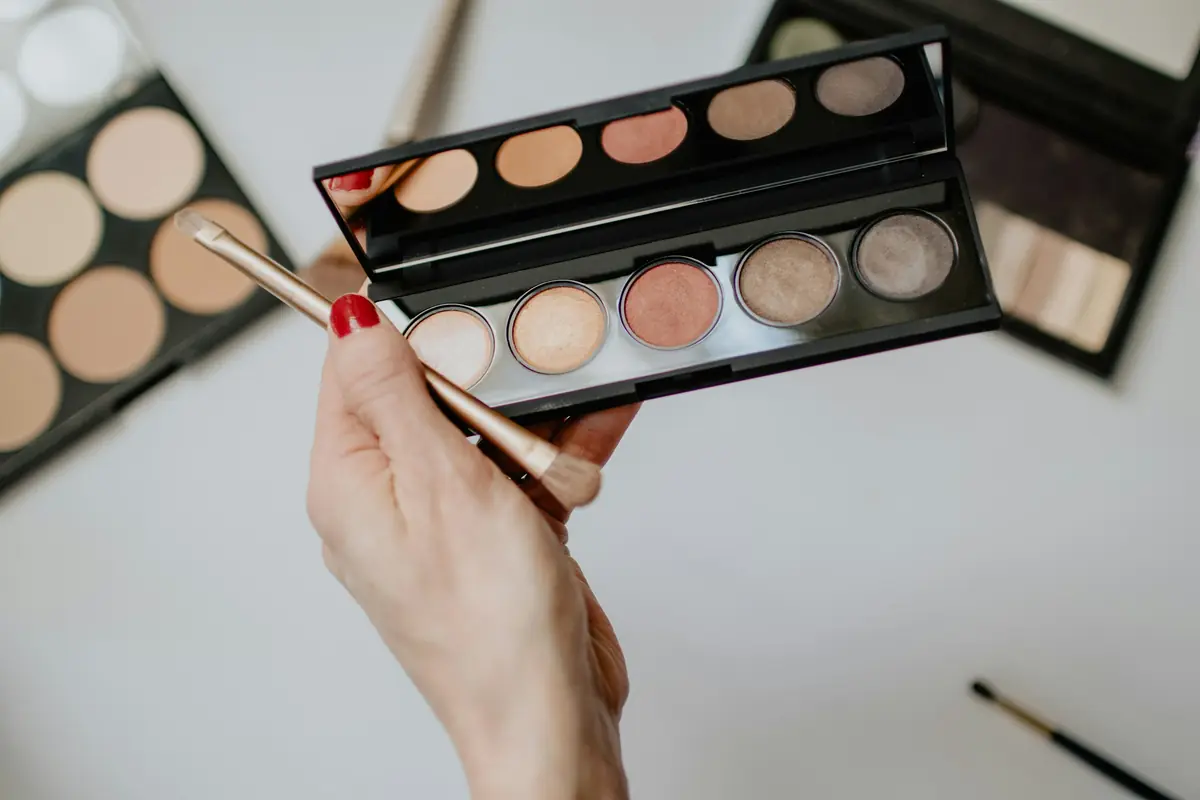
Bridesmaid makeup should support the bride’s look without cloning it. Natural bridesmaid makeup is the usual request: matching skin, a shared lip family, and eyes that do not compete with the person in the white dress. Soft glam for a bridal party works when the wedding itself is soft glam. Full glam on every attendant can make the portraits look like a casting call.
Wedding guest makeup is simpler still. Guests are not in the getting-ready timeline, and they should not be squeezed into the bride’s chair at the last minute. A guest look is often a dressed-up version of natural makeup or a smaller soft glam. If the event is a party that is not the wedding itself, special event makeup is the better fit.
Mother of the bride makeup, and makeup for a parent or a guest over 50 or 60, is mostly about texture. Cream products sit more kindly than heavy powder. A natural finish with a lifted lash reads as elegant. A thick matte layer reads as older than the person is. Bring a photograph from a previous formal day if you have one.
State skin tone and undertone in plain language, and bring the foundation you already trust if you have one. Brown skin, fair skin, and anything between can be matched badly by a formula chosen in the wrong light. A trial in daylight is where that mistake should happen, not at 7 a.m. on the wedding day.
Wedding eye makeup is where most regret lives. Brown eyes can carry a warm brown, a soft bronze, or a deeper taupe without looking costumey. Blue and green eyes often need less color than people expect; a brown socket and a clean lash already do the work. Hazel eyes sit between those choices. Hooded eyes need the shape placed where it stays visible when the eye is open, which is higher than a diagram drawn on a closed lid.
A bridal smokey eye can be soft and brown rather than black and graphic. Black is a tool, not a default. Glitter is a separate decision: a fine sheen can look like healthy skin in photographs, and chunky sparkle can look like a craft project by the speeches.
The lip should be chosen after the eye, not from a trend board. A nude that matches the dress photos is often too pale in real life. A rose or a soft red usually lasts longer and reads as intentional. If you want to eat, say so. A stain with a balm on top is more realistic than a matte liquid you are afraid to touch.
Season and setting change the products more than they change the style name. Summer and beach weddings need a base that can meet humidity and a cheek that will not slide into shimmer. Fall and winter can take a deeper lip and a slightly richer eye. An outdoor ceremony and a candlelit reception are two lighting problems. If both happen, the trial should include a photograph in daylight and one in warm indoor light. Photoshoot makeup notes overlap here, because the portraits are a job of their own.
A bridal trial is a separate appointment, usually weeks before the wedding, used to test the makeup in the kind of light you will actually have. It is not a full hair-and-makeup rehearsal of the entire party unless that is what you arrange. Ask for the trial when you request the wedding date. It is included only when the confirmation says so.
On the wedding day, the bride is usually first or last depending on photographs. First is calmer. Last is fresher and riskier if anyone runs long. Bridal party makeup needs a written order and a hard stop. Adding a cousin in the parking lot is how everyone's liner gets rushed.
Bridal shower makeup, if you want it, is a different day and usually a lighter finish. It should not be used as the only test of the wedding look.
Ask for notes after a trial: placement, what was too much, and which lip you would actually wear for ten hours. “We’ll remember” is not a system.
Do not start a new retinoid, peel, or brow dye in the week of the wedding. Moisturize with the cream you already tolerate. If you are breaking out, say so. Covering a fresh burn is harder than adjusting a shade.
Bring two photos you like and one you do not. Include your face, not only a celebrity crop. A picture of the dress neckline matters as much as the eye look. Cultural or family dress codes belong in the same note, described by you, not guessed.
Arrive with clean, moisturized skin and no foundation. Eat something. If you cry at speeches, waterproof mascara is a conversation, not a surprise. Tell the artist about contacts, sensitive eyes, and any product that has stung before.
A wedding makeup quote reflects hours, travel, a trial, and headcount. The FAQ explains how quotes are built. Send the date when you are ready to book.
Include the headcount and the finish you want.